-
Maintaining a beautiful, thriving landscape involves much more than regular watering and mowing. One of the most effective preventive measures a property owner can take is performing thorough seasonal garden cleanups. Left unattended, organic debris acts as an ideal breeding ground for harmful insects and pathogens.
Below is an in-depth look at how regular seasonal cleanups protect your plants, suppress pest populations, and stop diseases before they spread.
1. Eliminating Overwintering Sites for Harmful Pests
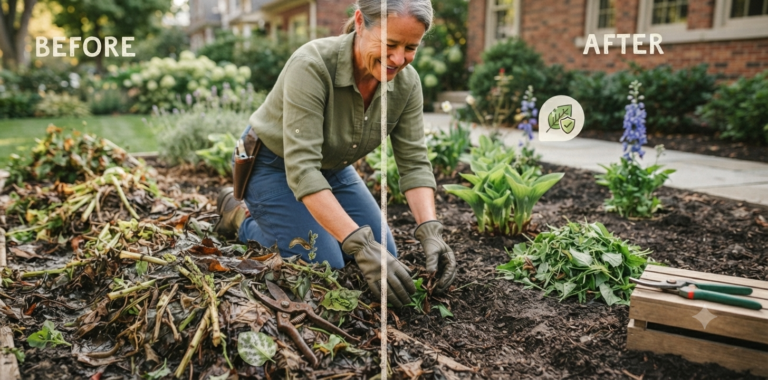
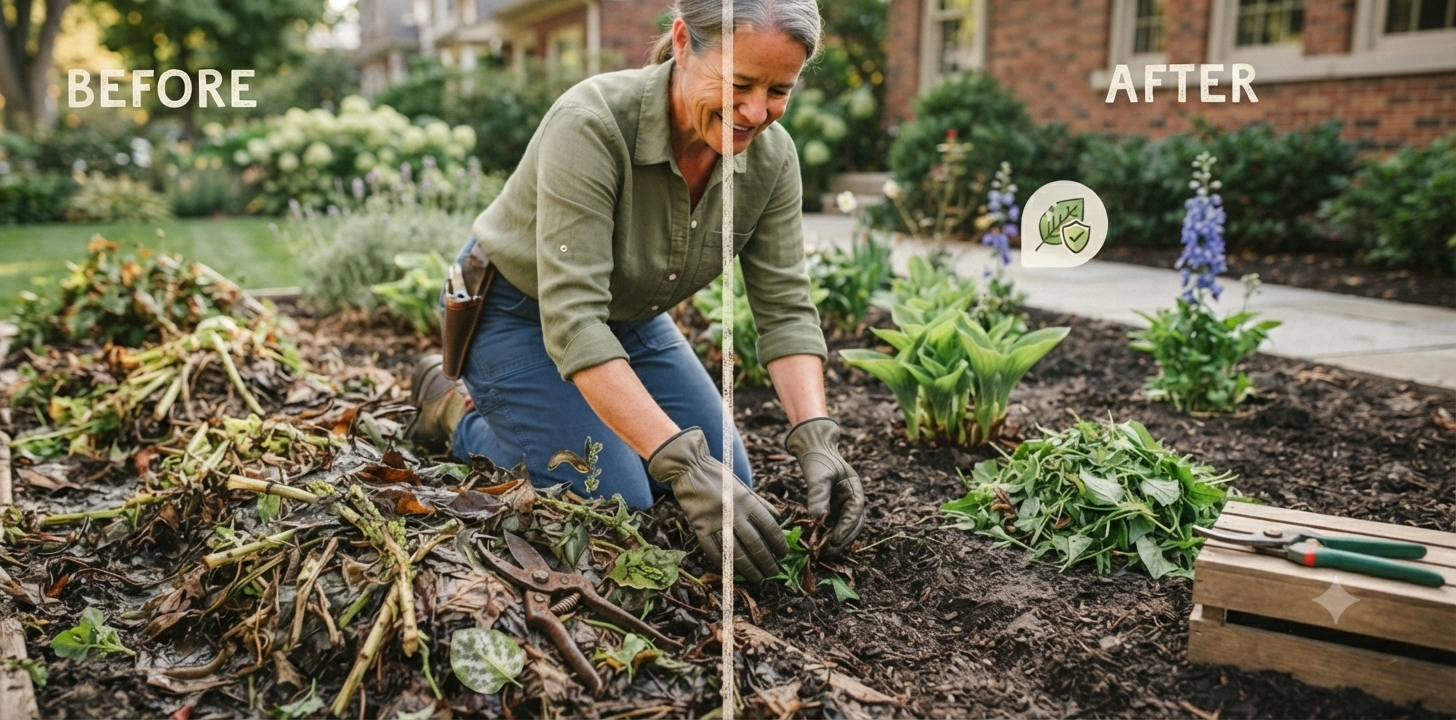
Destroying Hidden Egg Masses and Larvae: Many destructive insects, such as beetles, borers, and caterpillars, spend the colder months tucked away inside dead plant stems, fallen bark, and dense piles of leaves.Depriving Pests of Shelter: When you clear away decaying foliage and trim back spent perennial stalks at the change of seasons, you strip these insects of their protective shelters, drastically reducing their survival rates before spring arrives.
2. Stopping Fungal Spores and Plant Pathogens at the Source
Preventing Spore Dispersal: Fungal diseases like powdery mildew, black spot, and blight often survive the winter on infected leaves and fallen fruit. When spring rain arrives, splashing water lifts these spores back onto fresh, healthy leaves.Sanitizing Garden Beds: Removing diseased plant tissue entirely from your property during a cleanup interrupts the pathogen life cycle, keeping your garden significantly healthier year-round.
3. Improving Air Circulation and Sunlight Exposure
Reducing Moisture Retention: Dense, unmanaged vegetation traps ambient moisture against the soil and lower plant stems, creating a humid microclimate that fungi love.Speeding Up Drying Times: Pruning overgrown bushes and clearing ground-level debris allows wind and sunlight to penetrate the canopy, drying out wet foliage quickly and making it difficult for disease-causing organisms to take hold.
4. Enhancing Natural Predator Habitats vs. Unwanted Invaders
Balancing the Ecosystem: While beneficial insects also need habitats, accumulation of dead, rotting matter tends to favor aggressive garden pests over helpful predators.Promoting Vigorous Plant Defense: Clean, well-maintained soil and uncluttered root zones allow plants to absorb nutrients and water efficiently. Strong, vigorous plants possess natural immune defenses that make them far more resilient against pest attacks and infections.