-
As the winter frost melts and spring approaches, your garden awakens from its dormant state. Preparing your outdoor space properly at the beginning of the season is the most important step you can take to ensure vibrant plant growth, prevent pest infestations, and maintain a lush, healthy lawn all year long.
Below is the complete, step-by-step checklist to guide your post-winter garden cleanup effectively.
1. Clear Away Debris, Fallen Leaves, and Dead Foliage
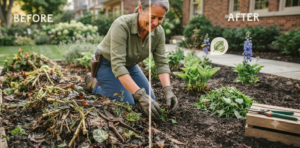
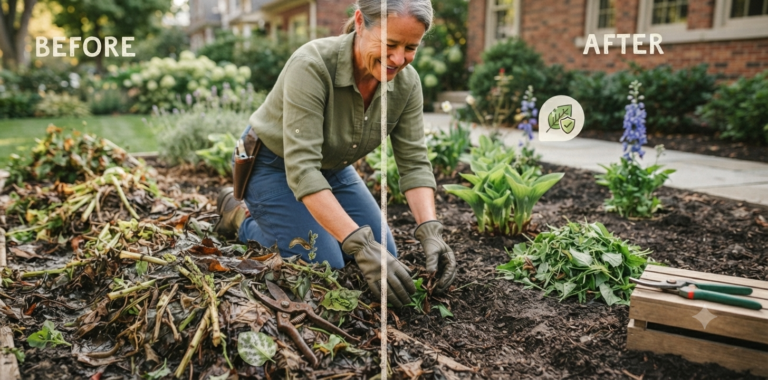
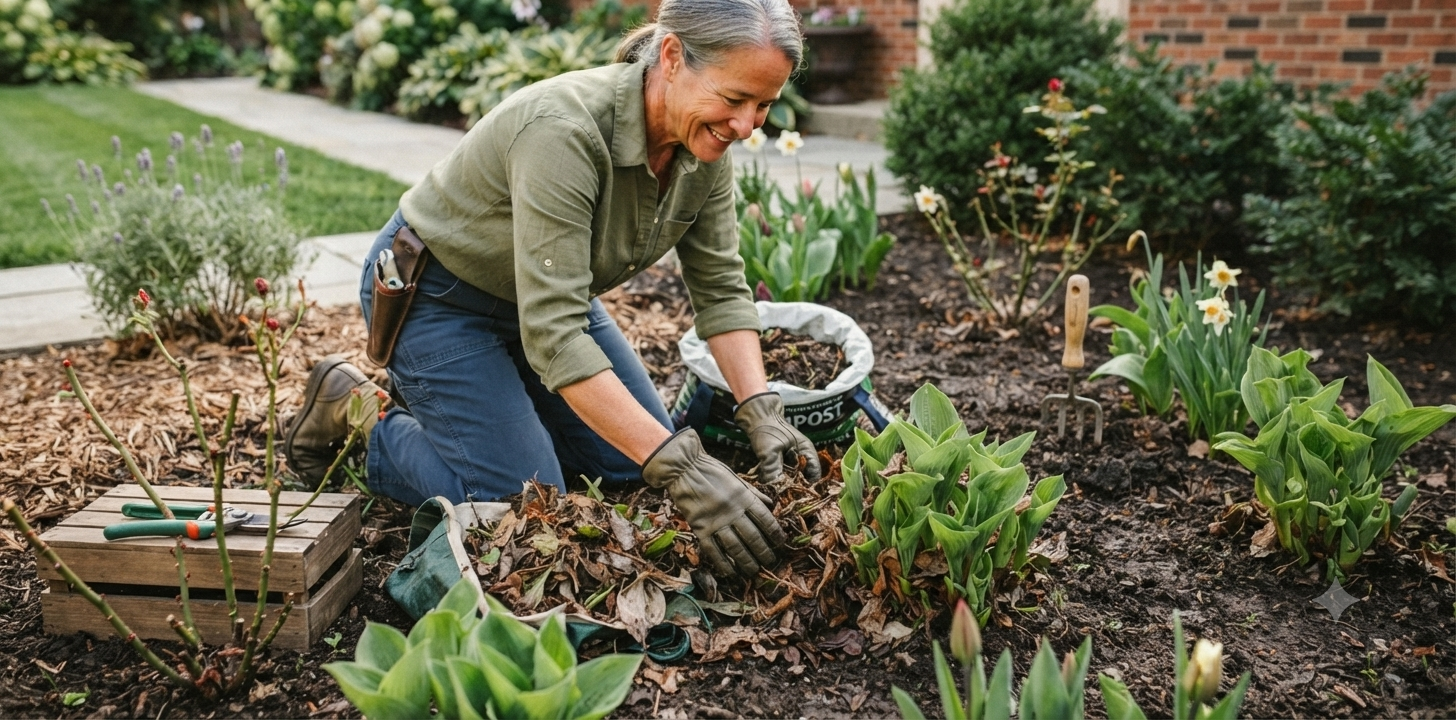
Remove Winter Coverings and Mulch Layers: Carefully pull back heavy layers of winter mulch or protective fleece from perennials and bulb beds so young shoots can receive sunlight.Clear Dead Plant Material: Cut back dead stems, old foliage, and remaining annuals from the previous year. Leaving this debris invites fungal spores and overwintering pests.
Clear the Lawn: Rake away accumulated leaves and organic debris that block essential sunlight and air circulation from reaching the grass blades.
2. Inspect and Prepare the Soil
Test the Soil Composition: Check your soil’s pH and nutrient levels to determine if amendments or fertilizers are required for the upcoming growing season.Loosen Compacted Soil: Use a garden fork or cultivator to gently break up compacted areas around garden beds, improving water absorption and root respiration.
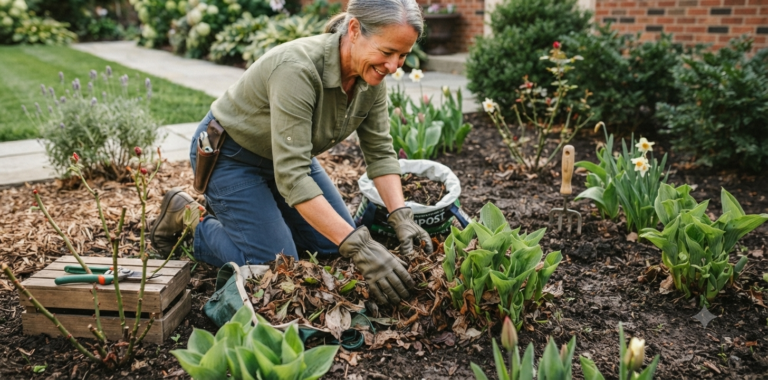
Apply Fresh Organic Compost: Enrich your soil beds by mixing in a balanced layer of nutrient-dense compost to nourish plants as they begin their active growth cycle.
3. Prune Trees, Shrubs, and Perennials
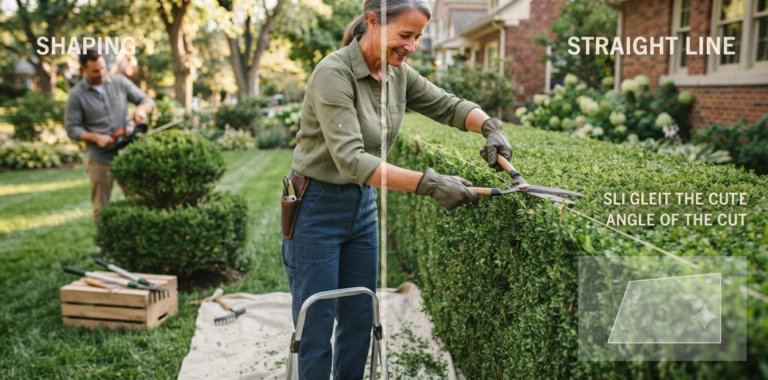
Prune Damaged Wood: Cut away any branches broken or weakened by winter frost, snow weight, or ice storms to prevent disease entry.Shape Ornamental Shrubs: Trim overgrown hedges and shape bushes before new buds fully develop and burst into growth.
Cut Back Ornamental Grasses: Shear back ornamental grasses close to the ground to make space for fresh, green blades to emerge cleanly.
4. Check and Service Garden Tools
Sharpen Cutting Blades: Ensure shears, loppers, and pruners are sharp and clean to make precise cuts that heal quickly without tearing plant tissue.Disinfect Equipment: Wipe down tools with a disinfectant solution between plants to avoid spreading lingering fungal or bacterial infections across your garden.
Test Irrigation Systems: Inspect hoses, sprinkler heads, and drip lines for winter cracks or leaks before setting up your automated watering schedule.
5. Lay Down Fresh Mulch
Apply a Protective Barrier: Spread a fresh 2-to-3-inch layer of organic mulch around trees, shrubs, and garden beds.Retain Moisture and Suppress Weeds: Proper mulching helps regulate soil temperature, retain crucial moisture during dry spells, and block unwanted weed germination as the weather warms up.